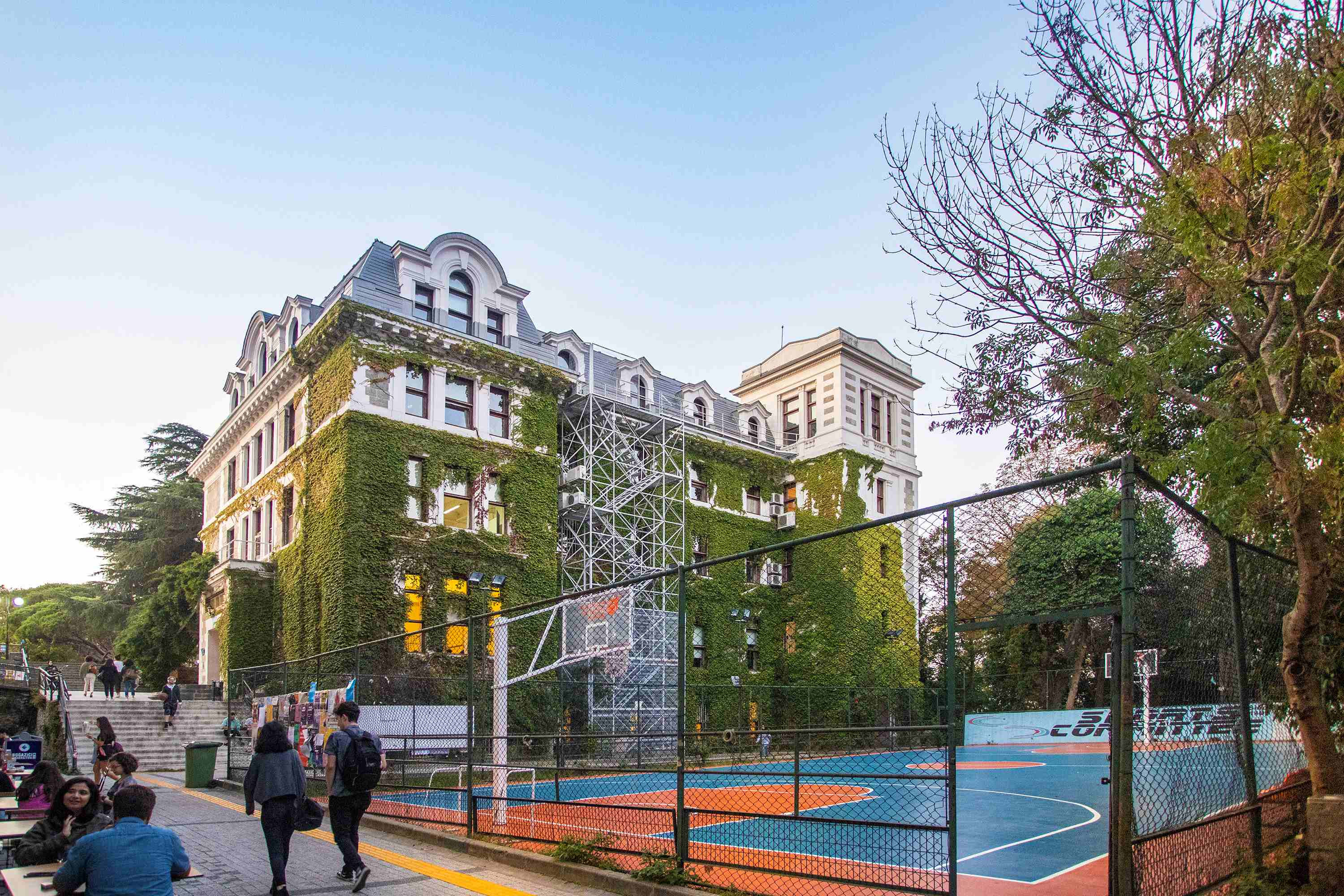



“Literary” Machine Translation by Boğaziçi University Scientists
Researchers from Boğaziçi University have begun working on a new machine translation algorithm designed to preserve the translator’s style in literary texts. Associate Professor Mehmet Şahin, Vice Chair of the Department of Translation and Interpreting Studies at Boğaziçi University, stated that this project is the first of its kind in Türkiye and marks an exciting development for the world of translation.
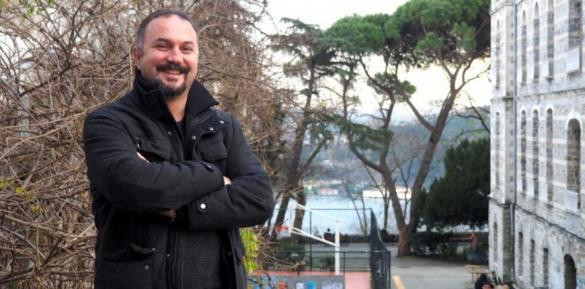
Associate Professor Mehmet Şahin, Vice Chair of the Department of Translation and Interpreting Studies at Boğaziçi University, and Assistant Professor Ena Hodjikj from the same department, are collaborating with Professor Tunga Güngör, Vice Chair of the Department of Computer Engineering, and translation scholar Dr. Sabri Gürses to develop a new machine translation algorithm that can reflect the desired translator’s style in literary texts. Supported by TÜBİTAK’s Research Support Programs Directorate (ARDEB) under the 1001 Program, the project examines the translations of prominent literary translators such as Nihal Yeğinobalı, Kemal Tahir, Ahmet Cemal, and Nihal Yalaza Taluy, who are no longer living.
Under the project, undergraduate and graduate students from the fields of translation studies, computer science, and cognitive science are also participating. Associate Professor Şahin emphasized that this is a pioneering study in Türkiye, saying: “We aim to transfer the distinctive styles of master translators into machine translation using a new algorithm we are developing. Although we are still at an early stage, this project is highly exciting for the field of translation studies.”
“Machine translation is now being used for literary texts”
“We want to push the boundaries of machine translation. Since 2016, this technology has advanced significantly, and the quality has improved remarkably. What was once mocked for its inaccuracies is now producing surprising results. This shift has changed translators’ perspectives, and many are now utilizing machine translation, particularly for technical texts. However, over the past five or six years, we have seen its application extend beyond technical fields, gradually being tested in literary translation in Europe. There has not been such a study in Türkiye before, and we wanted to take it a step further.”
“We have begun developing an algorithm that preserves the translator’s style”
“With the support of the TÜBİTAK 1001 ARDEB Program, we launched a 32-month study in November to develop a machine translation model that preserves the translator’s style in literary works. Traditionally, a translator is expected to maintain the author’s style, but research shows that translators also have their own distinctive linguistic and stylistic traits. Based on this, we decided to focus on the works of translators who have passed away. Our goal is to create a machine translation algorithm that captures their unique literary styles. We are currently analyzing these translators’ texts through translation studies and corpus linguistics approaches to identify stylistic features. To build such an algorithm, we must first describe these styles both qualitatively and quantitatively, enabling us to measure how well machine translations reflect the translator’s distinctive voice. This will be a pioneering study in Türkiye, and we hope to achieve our goal.”
“We are not trying to replace human translators”
“Translators add great depth and meaning to literary works. For readers who appreciate the distinctive style of a particular translator, especially one who has passed away, our project holds special significance. However, our intention is not to replace human translators. We are not trying to build an automation system that could take over the human role. In recent years, automation and artificial intelligence have increasingly influenced translation workflows, and this trend is extending into literary translation. As experts in the field, we are also examining the possible implications of this shift. While machine translation continues to improve, it is equally important to discuss issues such as the translator’s labor, compensation, and plagiarism.”
About Associate Professor Mehmet Şahin
Associate Professor Mehmet Şahin graduated from the Department of Translation and Interpretation at Bilkent University in 2000 and completed his master’s degree in teacher education at the same institution. He later pursued his doctoral studies in curriculum and instruction at Iowa State University in the United States. Since September 2019, he has been a faculty member in the Department of Translation and Interpreting Studies at Boğaziçi University, where he conducts research on translation technologies, translator training, and machine translation.
