Boğaziçi University Students Create an Earthquake Terminology Dictionary in 30 Languages
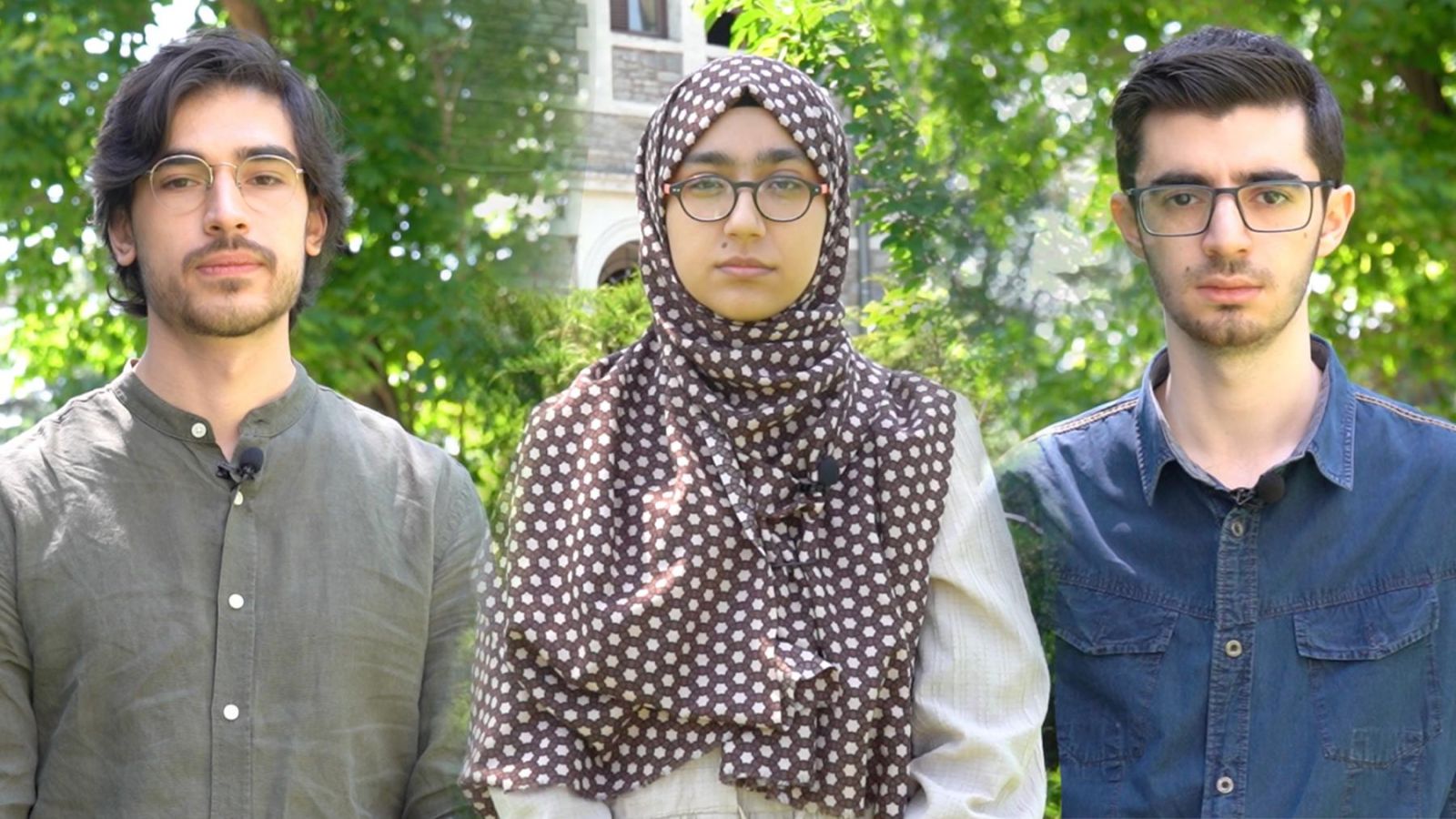
Developed under the leadership of Boğaziçi University Department of Translation and Interpreting undergraduate students Abdullah Sadık Kuralay, Betül Mulbay, and Ahmet Ergün, the multilingual earthquake glossary brings together key phrases for communication in earthquake-affected areas as well as terms related to search and rescue and first aid. The project aims to minimize communication barriers between international rescue teams and local volunteers operating in disaster zones. While work is underway to transform the database—currently available in 30 languages—into a mobile application, plans are also being made to expand it to cover other disasters such as floods and wildfires.
Under the leadership of Boğaziçi University Department of Translation and Interpreting undergraduate students Abdullah Sadık Kuralay, Betül Mulbay, and Ahmet Ergün, a multilingual earthquake glossary has been developed to bring together essential phrases useful for communication in earthquake zones, as well as key terms related to search and rescue and first aid operations. The project aims to minimize communication challenges between international rescue teams and local volunteers working in disaster areas. While efforts are ongoing to transform the database—now available in 30 languages—into a mobile application, there are also plans to expand it to include terminology for other disasters such as floods and wildfires.
“WE WANTED TO ADDRESS COMMUNICATION PROBLEMS IN DISASTER AREAS”
The idea for the project came from Abdullah Sadık Kuralay, a third-year student in the Department of Translation and Interpreting, who explains that the “Earthquake Glossary” emerged after reflecting on how he could contribute following the Kahramanmaraş earthquakes:
“After the first earthquake, I started thinking about how I could help the rescue efforts in the field. We heard that many international teams arriving in the region were experiencing communication difficulties and that there was a need for interpreters. Since the situation developed so suddenly, most of the volunteer interpreters who reached the disaster zone did not have professional field experience. Naturally, this led to a lack of knowledge regarding technical terminology. Drawing on my background in translation studies, I thought a disaster management glossary containing key terms needed by interpreters in such situations would be extremely useful. With this in mind, we quickly formed a team of enthusiastic volunteers to create the glossary. From the second day of our work, volunteer translators from around the world responded to our call, helping us accelerate progress with support in various languages.”
Ahmet Ergün, a third-year student in the Departments of Translation and Interpreting and Western Languages and Literatures, shared that they reached nearly 30 languages in a short period of time:
“Once we started the project, we had to move quickly—both in terms of expanding the number of languages and ensuring the comprehensiveness of the terminology. While my teammates and I are proficient in English and Spanish, we made great efforts to ensure accuracy in other languages as well. We’ve now reached around 30 languages, and we continue to work to make the project even more inclusive.”
“WE PLAN TO TURN IT INTO A DISASTER TERMINOLOGY GLOSSARY”
Team member Betül Mulbay, a second-year student in the Boğaziçi University Department of Translation and Interpreting, explained that every stage of the glossary was carried out meticulously. She noted that new terms are carefully selected based on feedback from interpreters in the field and approved by a terminology group that includes faculty members from the department.
Mulbay also shared that they are developing a mobile application to make the glossary easily and freely accessible to everyone around the world, summarizing the process and the support they have received as follows:
“In addition to adding new terms, we paid close attention to which languages were most needed in the field. After the project was shared by organizations such as the International Association of Conference Interpreters (AIIC) and the RWS Group, interpreters from many different countries began volunteering to contribute in their native languages. Their messages of support and encouragement deeply moved us. In Türkiye, institutions such as the Turkish Conference Interpreters Association (TKTD), the Disaster Interpreter Organization (ARÇ), and the Translation Association also showed great interest in our glossary, and their field teams mentioned that they benefited from it. We are now working with a software team to transform our project into a mobile application to make it more functional. Furthermore, we aim to expand it into a more comprehensive ‘Disaster Terminology Glossary’ by adding terms related to other natural disasters as well.”
Click here to access the study.
